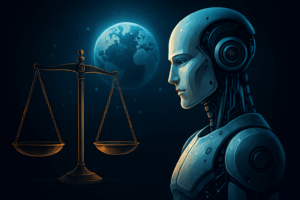
Introduction: AI ethics as the foundation of our digital world 🤖✨
Artificial intelligence (AI) has long been part of our everyday lives. It decides what content we see, what products we are recommended, and it supports doctors in making diagnoses and lawyers in analyzing complex cases. But with this power comes responsibility. AI ethics is not an abstract concept, but a concrete necessity that determines whether technology improves or worsens our lives. 🌍
In this article, we take an in-depth look at the fundamentals, challenges, and opportunities of AI ethics. We provide you with practical checklists, concrete examples, and tools that will help you use AI responsibly. 💡
Our goal is to provide you with a comprehensive guide that enables you to use AI not only efficiently, but also fairly and transparently. Because that's the only way to build trust – and trust is the currency of the digital future. 🔑
Classification: Why AI ethics is indispensable ⚖️
AI systems are not neutral. They reflect the data they were trained with and can reinforce existing biases. Without clear ethical guidelines, we risk discrimination, lack of transparency, and loss of trust. 🚨
The core questions of AI ethics are:
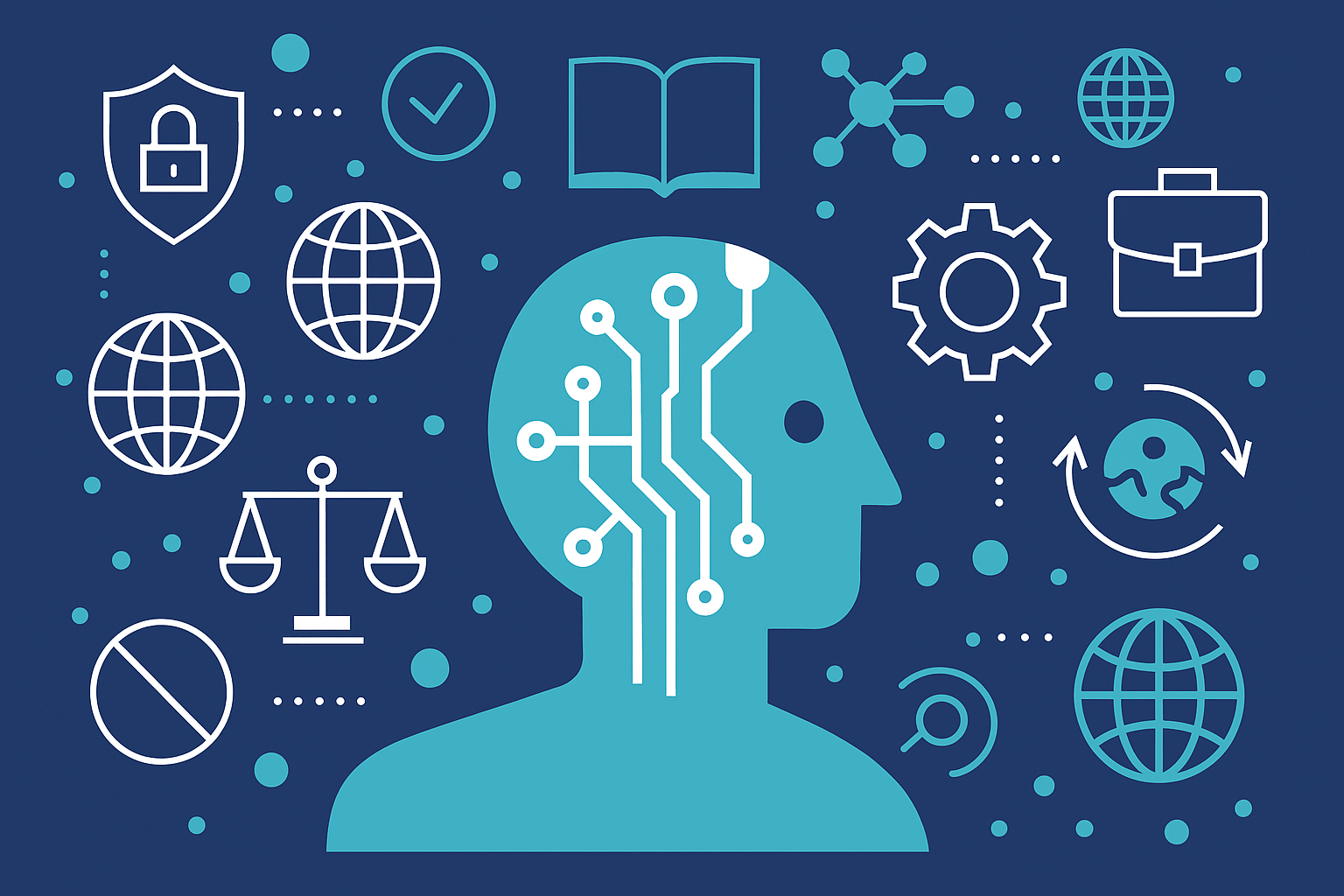
- 👩⚖️ Fairness: Are all users treated equally?
- 🔍 Transparency: Are decisions transparent?
- 🔒 Privacy: Is personal data protected?
- 📝 Responsibility: Who is liable for errors?
These questions are not just theoretical, but relate to specific applications: from lending to medical diagnoses to automated application processes. An ethically sound approach to AI is therefore essential. ✅
An example: If an algorithm decides on the granting of loans, it must make clear which criteria are decisive. Otherwise, mistrust arises—and mistrust is poison for any digital innovation. 💣
In-depth study: Theoretical and pedagogical perspectives 📚
Philosophical foundations 🤔
The ethics of AI are based on classic moral principles: justice, responsibility, and human dignity. Philosophers such as Kant and Aristotle continue to provide guidance to this day. AI ethics asks: How can we ensure that machines respect human values?
A central approach is the Value-Sensitive Design. Values such as fairness, transparency, and security are integrated into development from the outset. This results in technology that not only works but also meets our moral standards. 🛠️
Educational perspective 🎓
Education plays a central role. Developers, users, and decision-makers must be trained to understand and implement ethical principles. Only then can we create a culture of responsibility. 💬
- Responsibility: AI must not be used blindly—humans must remain in control.
- Fairness: Algorithms must be regularly reviewed and adjusted.
- Transparency: Decisions must be documented and traceable.
AI ethics should be part of the curriculum, especially in schools and universities. After all, the next generation of developers and users will decide how responsibly AI is used. 📖
Social context 🌐
AI ethics is not just a technical issue, but one that affects society as a whole. Governments, businesses, and citizens must work together to develop standards. Only through open discussion and clear rules can we build trust. 🤝
An example: The GDPR has demonstrated the importance of clear legal frameworks. It compels companies to take data protection seriously, thereby building trust among users. AI ethics must become similarly binding. 📜
Practical application: Checklists and specific examples
Checklist for ethical AI
- 📊 Check data quality: Is the training data representative and free of bias?
- 🔒 Ensure data protection: Is personal data anonymized?
- 🧑⚖️ Clarify responsibilities: Who is liable for wrong decisions?
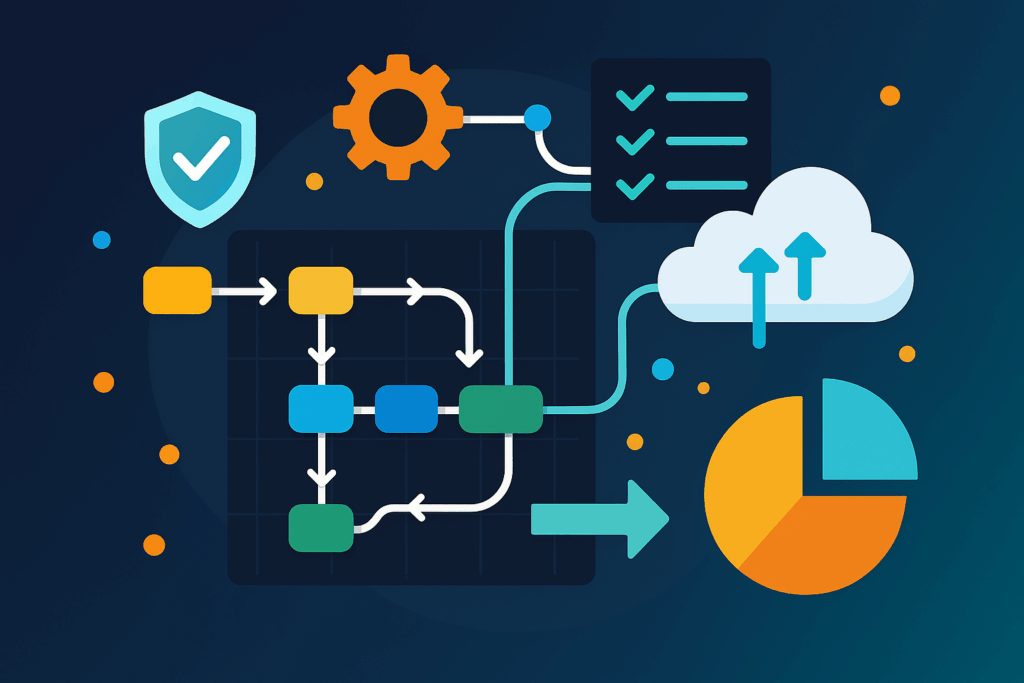
- 🔍 Creating transparency: Are the decision-making processes documented?
- 🛡️ Ensuring safety: Are systems protected against manipulation?
Practical examples 💡
A hospital uses AI for diagnosis. Ethics here means that patients must understand how the diagnosis is made and doctors must check the results. A company uses AI for job applications: ethics means that algorithms do not discriminate against applicants based on gender or origin. 🏥👩💼
We also encounter AI ethics in everyday life: When you VPN , you protect your privacy. When using audio tools, you must ensure that content is processed fairly and transparently. And with clarity you can create transparent workflows that build trust. 🔗
FAQ: Frequently asked questions ❓
What is AI ethics?
AI ethics deals with the moral implications of AI systems and ensures that they respect our values.
Why is AI ethics important?
Because AI makes profound decisions that affect our lives. Without ethics, we risk discrimination and a loss of trust.
How can I implement AI ethics in my company?
Use clear checklists, train employees, and document decisions transparently. Link internal processes with clarity for better traceability.
What role does data protection play?
Data protection is key. Use VPN, secure data transfers, and comply with the GDPR.
How can I get involved?
Discuss AI ethics openly, educate yourself, and support initiatives for responsible AI.
Outlook: Working together to shape a responsible AI future 🚀🌟
AI will continue to change our world—faster, more comprehensively, and more profoundly than any technology before it. To ensure that this change is positive, we must embed ethics as an integral part of every AI development. 💪
This means clear rules, transparent processes, and a culture of responsibility. Companies, developers, and users must act together. Only then can we build trust and responsibly leverage the opportunities offered by AI. 🌍
👉 Start today: Use Clarity and AI ethics For transparent workflows, secure your data with VPN and discover practical applications. This will enable you to build systems that are not only powerful, but also fair and trustworthy.
The future of AI depends on how we shape it. With clear ethical guidelines, we can ensure that AI remains not only efficient, but also fair and humane. 🌟 Learn more about international standards in the OECD AI Principles.